Dr. Critter Encyclopedia
Florida Animal & Critter Information
Explore Florida's diverse wildlife with Dr. Critter. This page provides information on various critters and animals, including common issues they may cause. Understanding local wildlife is crucial for effective prevention and control.
Some species need less removal than the noise suggests. Opossums usually enter through an opening another animal already made and move on by themselves, so the fix is the gap rather than the animal, which is why how we handle opossums in Central Florida homes looks different from a raccoon or squirrel job.
Birds are the case where the animal is rarely the problem and the opening always is. Vents, dryer ducts, soffits and commercial signage all offer a sheltered ledge, and a nest in a dryer duct is a fire risk long before it is a noise complaint, which is why bird removal and exclusion in Polk County starts with screening the opening rather than with the nest.
Armadillos are the opposite case. The animal does nothing to the house itself, but it digs, and the burrows run under slabs, walkways and pool decks well before anyone sees the animal. That is why what armadillo damage actually looks like is usually what people recognize first.
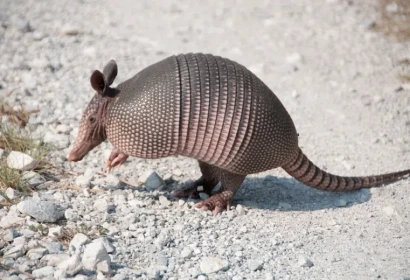
Armadillos leave distinctive signs of their presence: holes scattered across…
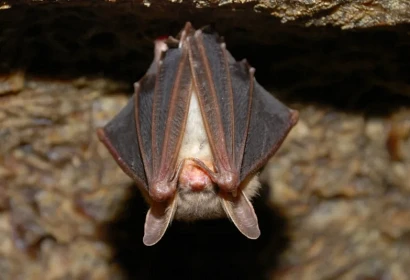
That strong, unpleasant odor you're noticing is likely guano, another term for…
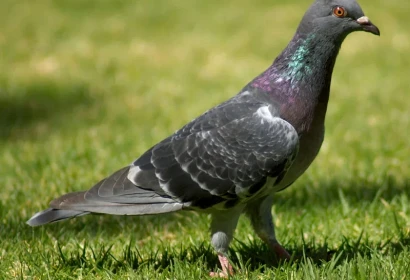
Birds, while often a delightful sight, can quickly transform into a significant…
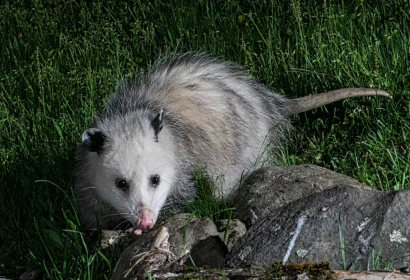
Opossums share similarities with raccoons, leaving damage at exterior entry…
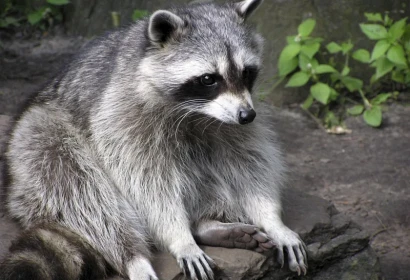
Raccoons are a frequent problem for Florida homeowners, and it's common for…
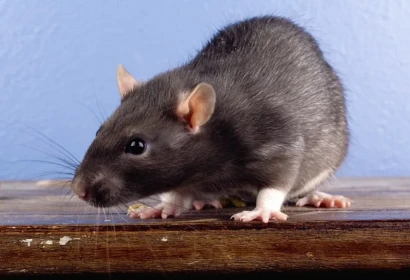
If you're hearing nocturnal noises, scratching within your walls, or rustling…
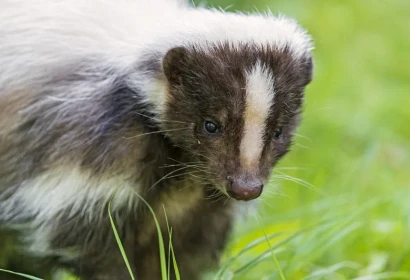
Skunks are well-known for their potent odor and their preference for dark,…
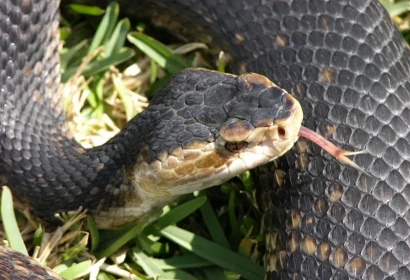
Snakes often evoke fear and anxiety, even though the majority we encounter are…
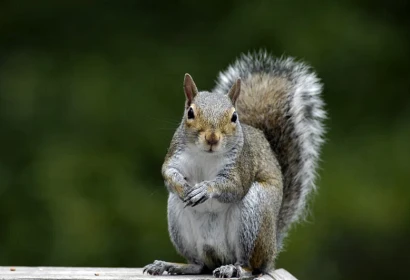
While rats are typically nocturnal, squirrels are most active during the day,…
Which Central Florida species are protected, and when are they active?
Nine species, when each one turns up in a house, and the Florida rule that decides what may lawfully be done with it. The legal column comes from our guide to Florida nuisance wildlife trapping law, species by species, which cites the rule behind every line. The seasons come from the Central Florida wildlife activity calendar.
| Species | Most active in homes | What Florida rules allow | Typical entry point or damage sign |
|---|---|---|---|
| Armadillos | Heaviest digging through the wet months, and for the two or three nights after any hard rain | No closed season. Once one is in a trap the four disposition outcomes under FAC 68A-9.010 apply | Burrows under slabs, walkways and pool decks; turned-up turf |
| Bats | Roost year round. Exclusion is lawful only from August 15 through April 15 | All 13 native species protected under FAC 68A-4.001 and 68A-9.010. Never trapped, exclusion only, and barred April 16 through August 14 | Greasy staining at a roofline gap, guano below it, chittering before dusk |
| Birds | — | Most species protected by the federal Migratory Bird Treaty Act. An active nest with eggs or chicks is a wait, then an exclusion. House sparrow, European starling and rock pigeon are not protected | Nests in vents, dryer ducts, soffits and commercial signage |
| Opossums | December through February, on cold snaps rather than a breeding cycle | Native nongame. The same four disposition outcomes under FAC 68A-9.010 | Sheltering under decks and in soffits; droppings and a strong odor |
| Raccoons | March into June, when females move litters into attics | Native nongame and a rabies vector species. Off-site release needs 40 contiguous acres, the same county, and the landowner's written permission under FAC 68A-9.010 | Torn soffit returns and roof vents; latrine sites in insulation |
| Rats | Year round, with calls climbing from October as nights cool | Roof rats, Norway rats and house mice are not native wildlife and are handled as structural pests | Chewed wiring, greasy rub marks on rafters, nesting in insulation |
| Skunks | — | Native nongame and a rabies vector species. The same four disposition outcomes under FAC 68A-9.010 | Denning under sheds, decks and mobile home skirting; spray odor |
| Snakes | June through August, when summer rain pushes them to higher, drier ground | Native snakes are protected nongame wildlife under FAC 68A-4.001. Possessing or transporting a live venomous reptile requires a captive wildlife permit | Found in garages, on pool decks and inside screened enclosures |
| Squirrels | March through May alongside the raccoon litters, though they chew year round | Gray squirrels are native nongame under the nuisance provisions. State-listed and federally listed species need a permit before any take | Chewed soffit, fascia and attic vents; damaged wiring |
One rule cuts across every row: an animal in a trap has exactly four lawful outcomes under FAC 68A-9.010, and driving it to a park on the other side of the county is not one of them. Bats are the exception that is stricter still, because they may not be taken at all.