Click Here to schedule an inspection
Professional Attic Restoration from Animal Damage
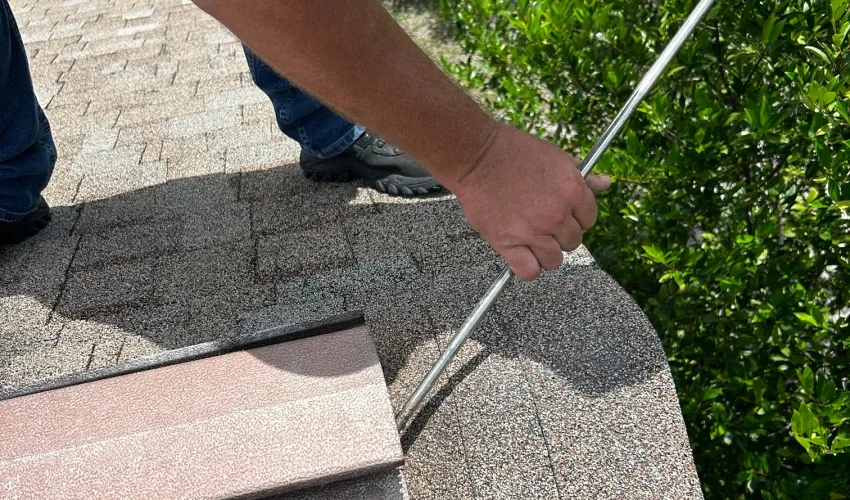
Has wildlife damage left your attic in disarray? Dr. Critter offers expert attic restoration services to repair and restore your home. Our technicians can remove damaged insulation, clean up waste, and seal entry points to prevent future infestations.
Animal infestations can cause significant damage to your attic, including insulation damage, structural damage, and serious health hazards. Restoration is required after wildlife removal whenever a colony has lived in the space long enough to leave urine, feces, or nesting material in the insulation — which is the case for nearly every raccoon, bat, squirrel, or rat infestation we handle.
Why is attic restoration necessary after wildlife removal?
Attic restoration is necessary because removing the animals does not remove what they left behind. Insulation is porous, so urine and feces soak through fiberglass and cellulose and stay there, and nesting material harbors parasites and disease. The contamination is rarely visible from the access hatch, yet it keeps circulating pathogens and odor through the home until the affected material is stripped and treated. When the animal died up there, the problem compounds; see what a dead animal in the attic does to insulation and air. Specifically:
- Bat guano can carry Histoplasma capsulatum, the fungus that causes histoplasmosis. Spores become airborne when guano is disturbed.
- Raccoon feces carry Baylisascaris procyonis (raccoon roundworm). Eggs survive in insulation for years and are infectious to humans — a serious risk for children in homes with attic access. We cover the health risks raccoon droppings leave behind in an attic in detail, including how the eggs get from insulation to people.
- Rodent urine and feces can carry hantavirus (rare in Florida but documented), salmonella, and leptospirosis.
- Saturated insulation loses R-value rapidly and drops attic energy efficiency well before the contamination becomes a health issue. A summer cooling bill that suddenly jumped after a wildlife problem is usually insulation that needs to be replaced, not an AC issue.
The health risks of skipping attic restoration after wildlife removal in Florida: Three pathogens make restoration medically necessary rather than cosmetic. Bat guano carries Histoplasma capsulatum, a fungus whose spores become airborne when dried guano is disturbed; histoplasmosis ranges from flu-like in healthy adults to life-threatening in immunocompromised people. Raccoon feces carry Baylisascaris procyonis roundworm eggs that survive in insulation for years and cause severe neurological disease in humans, particularly children. Rodent waste can carry hantavirus, leptospirosis, and salmonella. Removing the animals without remediating the contaminated insulation leaves these pathogens in the home where they continue to circulate through the HVAC system. Proper restoration involves HEPA-vacuum removal of contaminated material, antimicrobial treatment of the substrate, and replacement insulation installed only after the affected surface has been sealed and treated.
Dr. Critter's Attic Restoration Process
Our comprehensive restoration process includes:
Does Homeowners Insurance Cover Attic Restoration?
Often, yes — especially in Florida. Most homeowners’ policies cover attic contamination remediation and insulation replacement when the damage is documented as part of a wildlife-related claim, though policies vary on bat-specific damage. What carriers ask for is consistent:
- Written inspection report with date and technician credentials
- Photos of the contaminated areas before remediation
- Itemized scope of work with replacement insulation specs
- Documentation of the entry-point seal so the carrier knows the cause has been addressed
Dr. Critter provides the full documentation package as part of the restoration job — we have worked with most Florida carriers and know what they look for. We do not file the claim for you, but we make the claim defensible.
Coverage turns on how the policy classifies the damage, and the distinctions matter before you call your carrier. We walk through the exclusions, the wording carriers rely on, and what usually gets paid in does homeowners insurance cover wildlife damage in Florida.
How much does attic restoration cost in Florida?
Attic restoration cost in Florida depends on three variables: the size of the attic, the species and duration of the infestation, and whether the insulation can be partly salvaged. Light spot remediation is a small fraction of a full attic strip and reinsulation. Typical Central Florida scopes fall into one of these bands:
- Light contamination (small rodent activity, recent): spot remediation of affected sections and a partial insulation top-up. Usually under one day of labor.
- Moderate contamination (raccoon, squirrel, or older rodent colony): full removal and replacement of contaminated insulation in the affected zones, HEPA-vacuum cleanup, antimicrobial treatment, entry-point sealing. One to two days of labor.
- Severe contamination (bat colony, multi-year infestation, or roundworm-positive raccoon site): full attic strip, deep remediation under HEPA-respirator PPE, antimicrobial fogging, complete reinsulation to current Florida code R-value. Two to four days of labor depending on attic size.
We give a fixed quote after the inspection — there are no surprises mid-job. Schedule an inspection or call 800-932-7287.