Longwood, FL Longwood Squirrel Management | Historic Village Green Specialists
Humane squirrel control backed by 30+ years of Central Florida experience, a lifetime sealed-entry warranty, and same-day response on most calls.
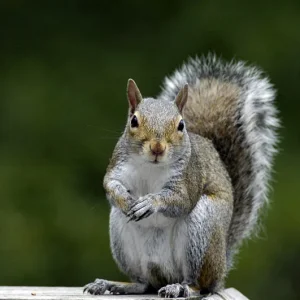
Historic Village Green Squirrel Management Available 24/7
Squirrels threatening your Longwood historic property or conservation area investment? Call 800-932-7287 for specialized heritage community wildlife management.
Longwood's cherished identity as Central Florida's premier historic village, anchored by the nationally renowned Historic Village Green and surrounded by pristine Wekiva River conservation areas, creates extraordinary squirrel management challenges. The community's commitment to preserving its 1880s railroad town character, combined with extensive natural habitat conservation and proximity to Wekiva Springs State Park, supports some of Seminole County's most persistent squirrel populations that exploit the unique blend of historic architecture and protected natural corridors.
Historic Village Conservation Interface Challenges
Unlike modern suburban communities, Longwood's unique position as a preserved historic village surrounded by protected conservation lands creates a wildlife management paradox. The community's dedication to both historic preservation and environmental conservation means traditional pest control approaches often conflict with preservation requirements and conservation goals, demanding specialized expertise that protects both heritage values and natural resources.
Wekiva River Corridor Wildlife Pressure
Longwood's strategic location along the pristine Wekiva River system creates continuous wildlife pressure from one of Florida's most protected ecosystems:
State Park Proximity Impact:
- Wekiva Springs State Park's 7,000+ protected acres continuously supply squirrels to adjacent residential areas
- Spring-fed waterways provide year-round water sources that support larger squirrel populations than typical suburban areas
- Protected old-growth forest habitat creates source populations that resist typical population control methods
- State environmental regulations limit control methods in proximity to protected waters and endangered species habitat
- Hiking and nature tourism activities inadvertently transport food sources that attract squirrels to residential areas
Conservation Easement Challenges:
- Numerous conservation easements throughout Longwood preserve squirrel habitat while restricting control options
- Protected wetlands and hammock areas serve as squirrel staging areas for residential invasion
- Environmental protection requirements limit exclusion methods to conservation-compatible approaches
- Native plant preservation mandates maintain food sources that attract and sustain squirrel populations
Historic Village Green District Preservation Requirements
The nationally significant Historic Village Green creates unique squirrel control challenges that must balance pest management with heritage preservation:
Historic Architecture Limitations:
- National Register of Historic Places buildings require preservation-approved pest control methods
- Original 1880s construction materials and techniques create numerous squirrel access points that cannot be conventionally sealed
- Historic building codes and preservation standards limit exclusion options to reversible, period-appropriate methods
- Antique architectural details and decorative elements provide ideal squirrel nesting sites that must be protected during control work
- Tourist and educational use of historic buildings requires discrete pest control that doesn't impact visitor experience
Longwood Community-Specific Squirrel Patterns
Historic Village Green & Downtown District: The heart of Longwood's heritage tourism economy faces complex squirrel challenges from the combination of historic buildings, antique shops, restaurants, and cultural venues. Squirrels exploit the maze of interconnected historic structures while preservation requirements limit control options to methods that protect both architectural integrity and visitor experience.
English Estates & Heritage Neighborhoods: These established residential areas feature homes designed to complement Longwood's historic character, often incorporating architectural elements that squirrels exploit. Mature landscaping requirements and heritage design standards create ideal squirrel habitat while HOA guidelines limit exclusion methods to aesthetically compatible approaches.
Wekiva River Corridor Properties: Homes along the Wekiva River system face intense squirrel pressure from protected riparian forest habitat. Environmental regulations governing river corridor development limit wildlife control options while pristine natural habitat continuously supplies replacement squirrel populations.
Lake Kathryn & Sweetwater Areas: These neighborhoods balance modern amenities with Longwood's natural heritage preservation goals, creating edge habitat where conservation areas meet residential development. The transition zones concentrate displaced squirrels while environmental protection requirements limit management options.
Reiter Park & Nature Preserve Interface: Properties adjacent to Longwood's preserved natural areas face constant squirrel pressure from extensive protected habitat. Park proximity provides unlimited source populations while environmental education activities can inadvertently create food sources that attract squirrels to nearby homes.
Heritage Tourism and Conservation Balance
Tourism Economy Protection
Longwood's heritage tourism industry depends on maintaining the authentic historic village atmosphere that attracts visitors to the Village Green district. Squirrel problems in historic buildings, antique shops, or cultural venues can destroy the preserved ambiance that drives tourism revenue, requiring discrete management that protects both visitor experience and economic sustainability.
Environmental Education Impact
Longwood's role as an environmental education destination, with numerous school groups and nature tourists visiting conservation areas, means wildlife control must model responsible environmental stewardship while solving practical pest problems. Our approaches demonstrate best practices that support both conservation goals and property protection.
Comprehensive Longwood Squirrel Management Process
Heritage Conservation Assessment Protocol
Every Longwood squirrel management service considers the unique intersection of historic preservation and environmental conservation:
- Historic Preservation Compliance: Assessment of National Register requirements and local preservation ordinances governing pest control methods
- Environmental Impact Evaluation: Understanding conservation easements, wetland proximity, and endangered species considerations affecting control options
- Tourism Integration Analysis: Evaluating visitor areas and heritage tourism facilities requiring discrete wildlife management
- Conservation Corridor Mapping: Identifying wildlife movement patterns between protected areas and residential development
- Community Character Protection: Planning exclusion work that maintains Longwood's unique village atmosphere and natural heritage
Preservation-Conscious Squirrel Control
Our Longwood squirrel management protects both historic buildings and natural conservation values:
Heritage-Compatible Methods:
- Reversible exclusion techniques that can be undone without damaging historic building fabric
- Period-appropriate materials that blend with 1880s architecture and don't compromise historic integrity
- Conservation-friendly approaches that support rather than conflict with environmental protection goals
- Educational integration that demonstrates responsible wildlife management to tourism and school groups
Conservation Area Coordination:
- Buffer zone management that reduces wildlife pressure without harming protected habitat
- Native plant integration that provides squirrel deterrence while supporting conservation goals
- Habitat modification guidance that enhances property protection while benefiting native wildlife diversity
- Long-term landscape planning that reduces human-wildlife conflicts through strategic design
Village Character Exclusion Techniques
Our exclusion work preserves Longwood's historic village character while providing permanent squirrel protection:
Historic Village Integration:
- Custom-fabricated exclusion components that match historic building materials and architectural details
- Installation methods that respect original construction techniques and materials
- Aesthetic approaches that enhance rather than detract from historic village atmosphere
- Tourist-friendly solutions that can serve as educational examples of responsible heritage preservation
Natural Heritage Compatibility:
- Environmentally sustainable materials that support Longwood's conservation leadership reputation
- Wildlife-friendly designs that protect property while maintaining habitat connectivity for non-target species
- Native plant integration that provides natural squirrel deterrence while enhancing landscape heritage
- Long-term sustainability planning that reduces future wildlife conflicts through strategic landscape management
Emergency Squirrel Situations in Historic Longwood
24/7 Emergency Response for:
- Historic Building Invasions: Squirrels in Village Green historic structures requiring preservation-sensitive removal
- Tourism Facility Disruptions: Antique shops, restaurants, or cultural venues with squirrel problems affecting visitor experience
- Conservation Area Conflicts: Aggressive squirrels in park or nature preserve areas threatening public safety
- Heritage Home Emergencies: Historic residential properties with squirrel damage threatening architectural integrity
- Educational Facility Issues: Schools or environmental education centers with squirrel problems affecting programs
- Community Event Disruptions: Squirrels threatening village festivals, heritage tours, or community gatherings
Historic Preservation and Wildlife Management Integration
Longwood's commitment to both historic preservation and environmental conservation requires specialized squirrel management approaches:
- National Register Compliance: Pest control methods that meet federal historic preservation standards and guidelines
- Environmental Protection Coordination: Wildlife management that supports rather than conflicts with conservation goals
- Tourism Industry Integration: Discrete pest control that maintains visitor experience quality and heritage atmosphere
- Community Character Preservation: Exclusion work that enhances rather than detracts from village charm and natural heritage
- Educational Value Integration: Wildlife management approaches that serve as examples of responsible environmental stewardship
Conservation Corridor Management Challenges
Longwood's position within protected wildlife corridors creates ongoing squirrel management requirements:
- Wekiva River Protection Zone: Environmental regulations limiting control methods near protected waterways
- State Park Buffer Areas: Coordination requirements with Florida State Parks wildlife management policies
- Endangered Species Habitat: Control method restrictions in areas supporting protected wildlife species
- Conservation Easement Compliance: Property management requirements that must integrate wildlife control with habitat protection
- Native Plant Community Protection: Landscape modifications that must support rather than harm native ecosystems
Village Heritage Tourism Protection
Squirrel management in Longwood must protect the heritage tourism values that drive community economic sustainability:
- Historic Village Atmosphere: Maintaining authentic 1880s railroad town character that attracts visitors and residents
- Antique District Protection: Preventing squirrel damage to irreplaceable vintage inventory and historic building collections
- Educational Tourism Support: Wildlife management that demonstrates best practices to visiting school and nature groups
- Community Event Facilitation: Pest control timing that supports village festivals, heritage tours, and community celebrations
- Property Value Preservation: Protecting real estate values tied to Longwood's unique historic village and conservation area location
Get Professional Longwood Historic Village Squirrel Management Today
Don't let squirrels compromise your Longwood property, the community's historic character, or conservation area values. The unique intersection of heritage preservation and environmental protection requires specialized expertise that protects all community values while solving wildlife conflicts.
Take Action Now - Call 800-932-7287
Historic Village Specialists: Expert squirrel management that preserves heritage character and conservation values
Thorough Longwood Assessment: Complete evaluation with historic preservation and environmental expertise
Conservation Compatible Methods: Wildlife control that supports rather than conflicts with environmental protection goals
Licensed & Insured: Professional service meeting historic preservation and environmental protection standards
Local Heritage Community Expertise: Over 15 years serving Central Florida's premier historic villages and conservation communities
Call 800-932-7287 now for immediate Longwood squirrel management service. Serving all Longwood areas including Historic Village Green, English Estates, Wekiva River corridor, Lake Kathryn, Sweetwater, and surrounding Seminole County heritage and conservation communities with professional, preservation-sensitive, and environmentally responsible squirrel control services that protect your property and our community's unique character.
Longwood is one of the areas covered by our rodent control services, which sets out how a job is inspected, quoted and warranted wherever we work.

Call or Email Today
Need squirrel control in Longwood, FL? Contact Dr. Critter today for immediate assistance and a free estimate.
800-932-7287

We Can Bill Your Insurance
We can help you file an insurance claim for damages caused by wildlife. Dr. Critter has strong relationships with insurance companies and can assist you in navigating the claims process. We have a proven track record of success in helping homeowners recover costs for damages caused by raccoons, bats, and other wildlife.
Why do Longwood homeowners choose Dr. Critter?
Four reasons come up again and again. We have done squirrel work in Central Florida since the 1990s. Every entry point we seal carries a lifetime warranty, and if anything gets back in through one of them we return at no charge. The methods are humane: one-way exclusion and live trapping, not poison or lethal traps. And most Longwood calls get a technician out the same day, with the phone answered 7 AM to 11 PM, seven days a week.
30+ Years of Experience
Central Florida wildlife has predictable patterns. We've worked every neighborhood, attic style, and species since the 1990s.
Lifetime Warranty
Sealed entry points are guaranteed for life. If anything gets back in through one we sealed, we return at no charge.
Humane Methods
One-way exclusion, live trapping, and prevention — not poison or lethal traps. Safer for your pets and the animals.
Same-Day Response
Most Longwood calls get a technician out the same day. The phone is answered seven days a week from 7 AM to 11 PM, and typical arrival runs 60 to 180 minutes depending on the city.
How does squirrel control work in Longwood?
Every job follows the same four steps. It starts with a free inspection to find the entry points, the signs of activity and the species, with no charge and no obligation. Removal comes next, by live trapping or one-way exclusion, and exclusion is the only method used for bats. Then every entry point is sealed with materials matched to the roofline, which is the step that prevents a return visit. Last comes cleanup where it is needed, with damaged insulation replaced and the lifetime warranty registered against every sealed entry.
Free Inspection
We walk the property, identify entry points, signs of activity, and the species we're dealing with. No charge, no obligation.
Humane Removal
Live trapping or one-way exclusion (mandatory for bats). Animals are relocated or excluded without harm, in compliance with Florida law.
Seal Entry Points
Every chew point, roof gap, and exclusion seam gets repaired with materials matched to your roofline. This is the step that prevents return visits.
Cleanup & Warranty
Attic decontamination if needed, damaged insulation replaced, and your lifetime warranty registered against every sealed entry point.
What other wildlife does Dr. Critter handle in Longwood?
Dr. Critter covers every common wildlife species in Central Florida. If you're not sure what's in your attic, we identify it during the free inspection.
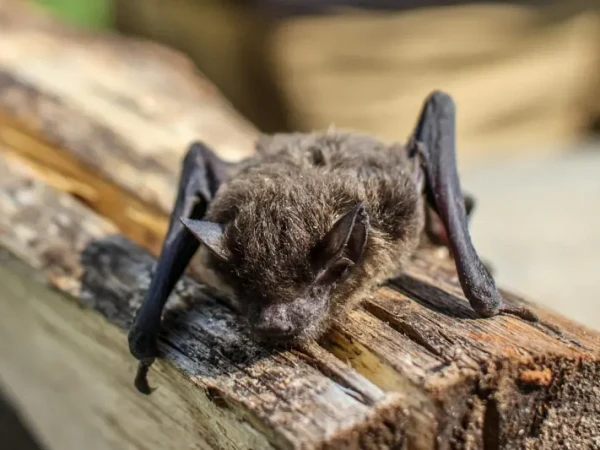
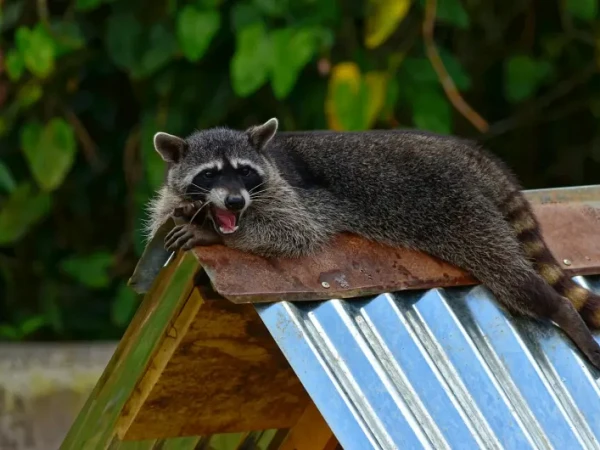
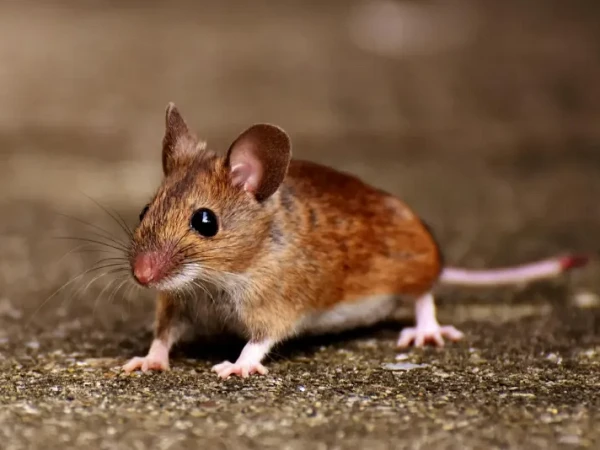
Squirrel Problem?
Florida's Top-Rated Squirrel Control Experts Can Help!
Lifetime Warranty & Money Back Guarantee
Only Dr. Critter offers a Lifetime Warranty and a Money-Back Guarantee, providing you with unmatched peace of mind. If animals return after our initial service, we'll return to address the issue at no additional cost. Our commitment to customer satisfaction is unwavering. We understand that wildlife problems can be stressful and disruptive, and we strive to ensure your complete satisfaction with our services. If you are ever unhappy with the outcome, we will do whatever it takes to make it right.