Seminole County, FL Seminole County Rat Control | Multi-Municipal District Specialists
Humane rat extermination backed by 30+ years of Central Florida experience, a lifetime sealed-entry warranty, and same-day response on most calls.

County-Wide Rat Control Specialists Available 24/7
Rats affecting your Seminole County property or multi-municipal development? Call 800-932-7287 for comprehensive county-wide pest management.
Seminole County's unique position as Central Florida's most diverse municipal landscape, encompassing 18 incorporated cities from historic Sanford to modern Oviedo across 345 square miles, creates complex rat management challenges that span urban, suburban, rural, and conservation environments. The county's strategic location between Orlando's urban core and pristine natural areas like Wekiva Springs, combined with diverse development patterns from 1880s railroad towns to 21st-century planned communities, supports varied rat populations requiring multi-jurisdictional expertise and ecosystem-based management approaches.
Multi-Municipal Rat Ecology Management
Unlike single-city pest control, Seminole County's complex municipal structure requires rat management that addresses varying development densities, municipal policies, environmental regulations, and ecosystem interfaces across 18 different jurisdictions. The county's diverse landscape from St. Johns River wetlands to suburban corridors creates rat habitat complexity that demands regional expertise and coordinated management approaches spanning multiple municipal boundaries and regulatory frameworks.
County-Wide Environmental Corridor Systems
Seminole County's extensive conservation areas and environmental corridors create rat population dynamics that transcend municipal boundaries:
Wekiva River Ecosystem Impact:
- Wekiva Springs State Park and Rock Springs Run preserve over 8,000 acres of pristine habitat that continuously supplies rats to adjacent municipal areas
- Protected river corridors create wildlife highways connecting rural Seminole County to suburban developments across multiple municipalities
- State environmental regulations governing Wekiva basin development limit rat control methods while ensuring continuous population pressure
- Spring-fed waterways provide year-round water sources supporting larger rat populations than typical Central Florida areas
- Conservation easements throughout multiple municipalities preserve rat habitat while restricting management options
St. Johns River Corridor Influence:
- Florida's longest river system creates extensive wetland habitat along Seminole County's eastern boundary affecting multiple municipalities
- Seasonal flooding cycles displace rat populations across municipal lines requiring coordinated response strategies
- Commercial shipping and port activities in Sanford create introduction pathways for exotic rat populations that spread county-wide
- Riparian forest preservation requirements maintain wildlife corridors that facilitate rat movement between jurisdictions
Municipal Development Pattern Complexity
Seminole County's diverse municipal development creates varying rat management challenges requiring jurisdiction-specific expertise:
Historic Municipality Challenges (Sanford, Longwood, Winter Springs):
- Late 1800s to early 1900s construction provides extensive rat habitat in aging infrastructure and historic building materials
- Historic preservation requirements limit exclusion methods to compatible approaches that protect architectural integrity
- Downtown districts with mixed commercial/residential use create concentrated food sources supporting large rat populations
- Tourism and cultural activities in historic areas require discrete pest control that doesn't impact visitor experience
Suburban Growth Corridors (Altamonte Springs, Casselberry, Winter Park):
- Mid-20th century suburban development features maturing infrastructure that rats increasingly exploit
- Tree preservation policies maintain canopy coverage that provides rat movement corridors between properties
- Commercial strip development creates linear food sources that support extended rat populations along major corridors
- Aging storm drainage systems provide extensive underground rat highway networks connecting multiple neighborhoods
Modern Planned Communities (Oviedo, Lake Mary, Heathrow):
- Contemporary construction often lacks adequate rat exclusion features while creating new habitat opportunities
- Master-planned community design with retention ponds and green spaces provides ideal rat habitat throughout developments
- Corporate and technology corridors create unique rat challenges in business park and office complex environments
- HOA landscaping requirements and architectural standards can conflict with effective rat exclusion methods
Seminole County Ecosystem Interface Zones
Wekiva Springs Conservation Interface:
Properties throughout western Seminole County face intense rat pressure from extensive protected habitat. Municipalities including Longwood, Altamonte Springs, and unincorporated areas must balance wildlife management with environmental protection requirements governing the Wekiva River system.
St. Johns River Floodplain Management:
Eastern Seminole County municipalities including Sanford and Geneva deal with seasonal rat displacement from river flooding while coordinating with state water management and environmental protection agencies governing floodplain development and wildlife management.
Orange County Urban Interface:
Southern Seminole County communities face rat migration pressure from Orange County's urban development while maintaining suburban character and managing growth pressures that continuously alter rat habitat and movement patterns.
Volusia County Rural Transition:
Northern Seminole County areas experience rat population dynamics influenced by Volusia County's more rural development patterns, creating edge habitat conditions that support higher rat densities in transition zones between counties.
Multi-Jurisdictional Regulatory Coordination
Municipal Code Compliance Across 18 Jurisdictions
Effective rat control in Seminole County requires understanding and compliance with varying municipal codes, zoning requirements, environmental regulations, and permit processes across 18 different incorporated areas plus unincorporated county jurisdiction, each with unique requirements for pest control operations and wildlife management.
State and Federal Environmental Coordination
Seminole County's extensive protected areas require coordination with Florida Fish and Wildlife Conservation Commission, St. Johns River Water Management District, and federal agencies governing endangered species and wetland protection, particularly in the Wekiva River basin and other environmentally sensitive areas.
Comprehensive Seminole County Rat Control
County-Wide Assessment Protocol
Every Seminole County rat control service addresses the complexity of multi-municipal and diverse ecosystem management:
- Multi-Municipal Jurisdiction Analysis: Understanding varying municipal codes, permit requirements, and service protocols across county municipalities
- Ecosystem Corridor Mapping: Identifying wildlife movement patterns between conservation areas and developed municipalities
- Regional Population Management: Addressing rat movement and migration patterns that transcend municipal boundaries
- Environmental Compliance Coordination: Working within state and federal regulations governing protected areas and sensitive ecosystems
- Inter-Municipal Communication: Coordinating pest management approaches across adjacent jurisdictions and shared infrastructure systems
Regional Ecosystem Rat Elimination
Our Seminole County rat control addresses population dynamics across diverse municipal and natural environments:
Multi-Municipal Coordination:
- Permit coordination across multiple municipal jurisdictions for comprehensive rat management programs
- Regional population monitoring that tracks rat movement between municipalities and conservation areas
- Shared infrastructure management including storm drainage and utility systems that cross municipal boundaries
- Emergency response protocols that address county-wide rat displacement events during flooding or severe weather
Ecosystem Integration Strategies:
- Conservation area buffer management that reduces wildlife pressure on adjacent municipal development
- Waterway corridor management along St. Johns River and Wekiva system that addresses rat movement patterns
- Habitat modification guidance that supports both conservation goals and reduced human-wildlife conflicts
- Regional monitoring that tracks ecosystem health and rat population dynamics across county landscapes
County-Wide Exclusion Systems
Our exclusion work addresses the diverse architectural and environmental challenges across Seminole County's varied municipalities:
Multi-Municipal Standards Compliance:
- Materials and methods that meet varying municipal building codes and aesthetic requirements across 18 jurisdictions
- Environmental compliance that satisfies conservation area proximity requirements and ecosystem protection standards
- Installation approaches that work within historic preservation requirements in older municipalities
- Modern construction integration that addresses contemporary building methods in newer planned communities
Regional Environmental Adaptation:
- Conservation-compatible exclusion methods that support rather than conflict with environmental protection goals
- Flood-resistant installations that function during St. Johns River and Wekiva system seasonal flooding
- Hurricane-rated materials that protect investments across county's diverse storm exposure patterns
- Long-term durability that accommodates Seminole County's continuing growth and development pressures
Emergency Rat Situations Across Seminole County
24/7 Emergency Response for:
- Multi-Municipal Outbreaks: Large-scale rat problems affecting multiple adjacent municipalities requiring coordinated response
- Flood Displacement Events: River flooding driving rats into multiple municipal areas simultaneously
- Conservation Area Conflicts: Rat problems near protected areas requiring environmental compliance and specialized expertise
- Infrastructure System Failures: Rats in shared utility or transportation systems affecting multiple municipalities
- Economic Development Threats: Rat problems affecting major county economic development projects or business attraction efforts
- Public Health Emergencies: County-wide rat-related health concerns requiring immediate professional intervention
Seminole County Economic Development Protection
Rat management across Seminole County must protect the diverse economic interests that drive regional prosperity:
- Technology Corridor Protection: Supporting Lake Mary and Heathrow business parks that attract corporate headquarters and technology companies
- Tourism Industry Support: Protecting heritage tourism in Sanford, Longwood, and Winter Springs that generates significant county revenue
- Real Estate Market Sustainability: Maintaining property values across county's diverse residential markets from luxury estates to historic neighborhoods
- Agricultural Transition Management: Supporting areas transitioning from agriculture to development while managing wildlife displacement
- Conservation Tourism Balance: Protecting environmental tourism while managing wildlife conflicts in conservation area interface zones
Regional Growth Management Integration
Seminole County's continuing growth requires rat control that adapts to changing regional development patterns:
- Comprehensive Plan Implementation: Integrating wildlife management with county comprehensive planning and growth management strategies
- Transportation Corridor Development: Addressing rat habitat creation and displacement along major transportation improvement projects
- Conservation Land Acquisition: Managing wildlife interface issues as county expands protected area acquisitions
- Municipal Annexation Support: Addressing changing jurisdictional boundaries and service area responsibilities
- Regional Coordination Enhancement: Supporting inter-county cooperation on wildlife management and economic development
Environmental Stewardship and Economic Balance
Seminole County's commitment to both economic development and environmental protection requires rat control that supports multiple community goals:
- Wekiva River Protection: Wildlife management that supports rather than conflicts with state-designated Outstanding Florida Waters protection
- Sustainable Development Support: Pest control approaches that enhance rather than compromise county sustainable development goals
- Agricultural Heritage Preservation: Managing rat problems in remaining agricultural areas while supporting agricultural preservation programs
- Historic Preservation Integration: Wildlife control that protects historic districts and buildings that define county cultural heritage
- Green Infrastructure Enhancement: Rat management that supports county green infrastructure and environmental corridor development
County-Wide Public Health Protection
Seminole County's diverse population and development patterns require rat control that addresses varying public health risks and needs:
- Dense Urban Area Management: Intensive rat control in higher-density municipal areas where disease transmission risks are elevated
- Rural Area Coverage: Ensuring pest control access in unincorporated and less developed areas with different service delivery challenges
- Senior Community Support: Specialized approaches for active adult communities and senior-concentrated developments
- School District Coordination: Supporting Seminole County Schools with pest control that protects educational environments
- Healthcare Facility Protection: Ensuring rat-free conditions in county's medical facilities and healthcare infrastructure
Get Professional Seminole County Multi-Municipal Rat Control Today
Don't let rats threaten your property, community, or Seminole County's balanced economic and environmental future. Central Florida's most diverse county requires sophisticated wildlife management that addresses complex multi-municipal challenges while protecting both development investments and natural heritage.
Take Action Now - Call 800-932-7287
Multi-Municipal District Specialists: Expert rat control that works across all 18 Seminole County municipalities and unincorporated areas
Thorough County-Wide Assessment: Comprehensive evaluation with multi-jurisdictional expertise and ecosystem management knowledge
Regional Coordination Expertise: Wildlife management that addresses county-wide population dynamics and municipal boundary challenges
Licensed & Insured: Professional service meeting all municipal codes and environmental regulations across Seminole County
Local Central Florida Regional Expertise: Over 19 years serving Seminole County's diverse communities and conservation areas
Call 800-932-7287 now for immediate Seminole County rat control service. Serving all municipalities including Sanford, Altamonte Springs, Casselberry, Lake Mary, Longwood, Oviedo, Winter Springs, Winter Park, and surrounding areas plus unincorporated Seminole County with professional, multi-jurisdictional, and ecosystem-integrated rat control services that protect property investments while supporting county economic development and environmental conservation goals.

Call or Email Today
Need rat extermination in Seminole County, FL? Contact Dr. Critter today for immediate assistance and a free estimate.
800-932-7287

800-932-7287
We Can Bill Your Insurance
We can help you file an insurance claim for damages caused by wildlife. Dr. Critter has strong relationships with insurance companies and can assist you in navigating the claims process. We have a proven track record of success in helping homeowners recover costs for damages caused by raccoons, bats, and other wildlife.
Why Seminole County Homeowners Choose Dr. Critter
Three decades of Central Florida rat work, backed by methods designed to keep them out for good — not just take them away.
30+ Years of Experience
Central Florida wildlife has predictable patterns. We've worked every neighborhood, attic style, and species since the 1990s.
Lifetime Warranty
Sealed entry points are guaranteed for life. If anything gets back in through one we sealed, we return at no charge.
Humane Methods
One-way exclusion, live trapping, and prevention — not poison or lethal traps. Safer for your pets and the animals.
Same-Day Response
Most Seminole County calls get a technician out the same day. Emergency response is available 24/7 by phone.
How We Handle Rat Extermination
A repeatable four-step process — the same approach we've refined over thousands of rat calls in Central Florida.
Free Inspection
We walk the property, identify entry points, signs of activity, and the species we're dealing with. No charge, no obligation.
Humane Removal
Live trapping or one-way exclusion (mandatory for bats). Animals are relocated or excluded without harm, in compliance with Florida law.
Seal Entry Points
Every chew point, roof gap, and exclusion seam gets repaired with materials matched to your roofline. This is the step that prevents return visits.
Cleanup & Warranty
Attic decontamination if needed, damaged insulation replaced, and your lifetime warranty registered against every sealed entry point.
Other Wildlife We Handle in Seminole County
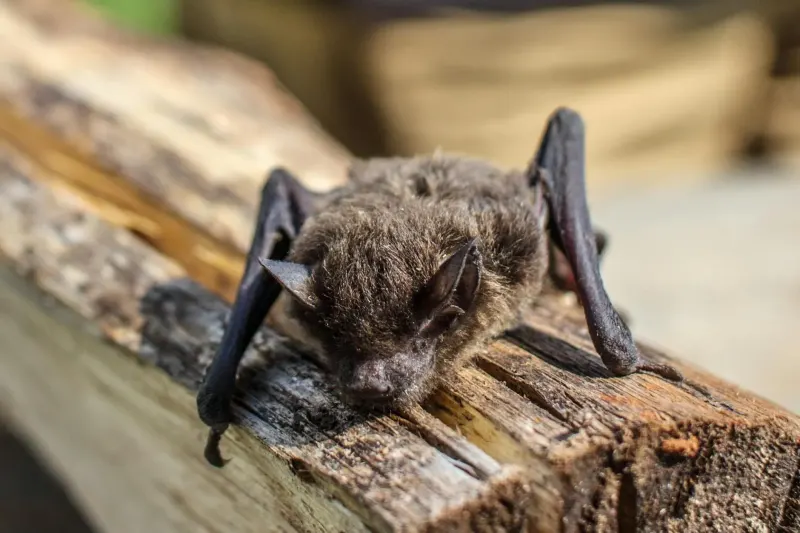
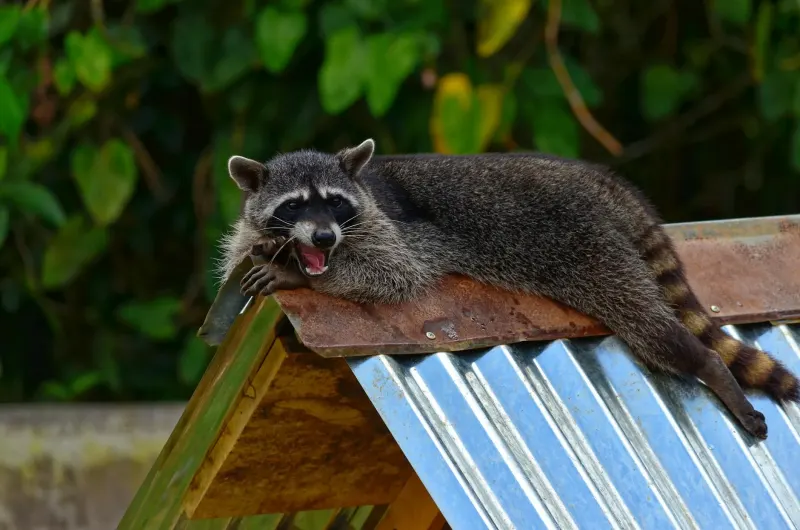
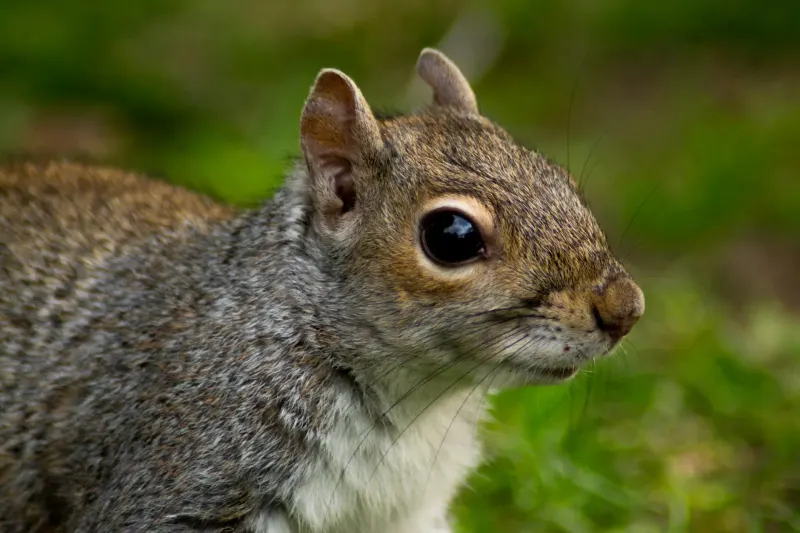
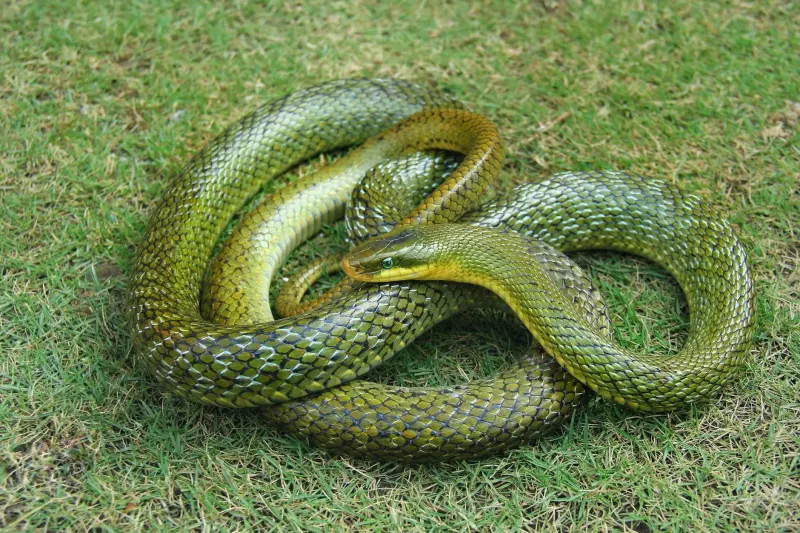
Dr. Critter covers every common wildlife species in Central Florida. If you're not sure what's in your attic, we identify it during the free inspection.
Rat Problem?
Florida's Top-Rated Rat Extermination Experts Can Help!
Lifetime Warranty & Money Back Guarantee
Only Dr. Critter offers a Lifetime Warranty and a Money-Back Guarantee, providing you with unmatched peace of mind. If animals return after our initial service, we'll return to address the issue at no additional cost. Our commitment to customer satisfaction is unwavering. We understand that wildlife problems can be stressful and disruptive, and we strive to ensure your complete satisfaction with our services. If you are ever unhappy with the outcome, we will do whatever it takes to make it right.